
Lake Effect Snow
All of the snowiest cities around the world receive as much snow as they do. Lake effect snow is enhanced snowfall caused by cooler air blowing over a relatively warmer lake.

Pin On Weather 2015 2014
After cooling the air dumps its moisture on the ground potentially becoming snow.

Lake effect snow. Sometimes a streamer. Story continues Bursts of heavy snow and low visibility are possible particularly for areas east of Lake Huron. From the Porcupine Mountains and the Keweenaw Peninsula to Whitefish Point snowfall is dramatically enhanced by lake effects.
Lake Effect snow occurs when cold air often originating from Canada moves across the. Lake effect snow which can be a type of snowsquall is produced in the winter when cold winds move across long expanses of warmer lake water picking up. Lake-effect snow showers hit parts of northern Michigan on Tuesday November 2 the National Weather Service NWS reported.
With open lake water throughout the winter months lake-effect snow can fall continually across the Upper Peninsula and Canadian snowbelts. Rather than peaking in fall and early winter heavy lake effect snow would be pushed back later in the season generally from January through March. The lakes produce snowsqualls and persistently cloudy skies throughout the winter as long as air temperatures are colder than water temperatures or until a lake freezes over.
November 2 2021 1026 AM. Those columns then cool down and condense into cumulus clouds aligning in the direction of the. This causes some lake water to evaporate and warm the air.
Lake effect snow is different from a low pressure snow storm in that it is a much more localized and sometimes very rapid and intense snow event. Lake effect snow usually occurs during the late fall and winter months and is capable of producing as much as 2-3 inches of snow an hour with event totals ranging from 60-100 inches. Because of their proximity to a lake or ocean which enhances snowfall in the winter.
As a cold dry air mass moves over the unfrozen and relatively warm waters of the Great Lakes warmth and moisture from the lakes are transferred into the atmosphere. A wintry mix of lake effect snow rain and graupel moved inland from Lake Erie on. During a lake-effect event the intensity of the snow usually depends on how much colder the air is above the ground when compared to the surface temperature of the lake.
The lake-effect snow showers are bringing yet another round of some troublesome travel through the first parts of Thursday as true fall-like conditions settle in across the region. Lake Effect Snow and Rain Push Inland From Lake Erie. LES occurs when cold air often originating from Canada moves across the open waters of the Great Lakes.
Extreme events are often highly localized such as the Buffalo NY event that occurred in November 2014. Then the moist air moves away from the lake. Lake-effect snow occurs when cold air moves over warmer water taking up moisture that later precipitates as snow when the air moves over land and cools.
Northern or westerly winds blow over the lakes surface picking up heat and water vapor that produce warm columns of air known as thermals. The National Weather Service webpage on lake-effect snow says that wind direction is a key component in determining which areas will receive lake-effect snow. Lake-effect snow forms when cold below-freezing air passes over a lakes warmer waters.
Lake Effect Snow LES is very common across the Great Lakes region during the late fall and winter. Lake-effect snow machine to roar to life. And winds from the west-northwest will aid in more lake effect snow bands across the.
Historical lake effect snow trends are from a. Arctic air pushes lake-effect snow across 1500-km stretch in Canada The Arctic air spilling into parts of Western and Central Canada is not a trick and will be no treat. November 2 2021 413 PM.
Wrap around moisture on the back side of the Alberta clipper surface low. The snow from the clipper will be on top of any lake effect snow that fell earlier Saturday. The Lake Effect phenomenon is well-known and studied in meteorological circles.
AccuWeather forecasters say cold air will rush over the unusually warm waters of the Great Lakes later this week and kickstart a prolonged lake-effect. Lake effect snow is common across the Great Lakes region during the late fall and winter. Lake effect snow will still occur in a warming world but by the late 21st century we can expect a shortened lake effect snow season.
As the cold air passes over the unfrozen and relatively warm waters of the Great Lakes warmth and moisture is transferred into the lowest.

Lake Effect Snow Cloud Over Cranberry Pond Greece Ny Snow Clouds Clouds Picture

Vermont Lake Effect Snows Weather Rapport Buffalo New York Lake Buffalo

Noaa S Scijinks What Is Lake Effect Snow Lake Snow Snow Lake

Buffalo N Y Area In The Midst Of A Truly Insane Lake Effect Snow Storm Lake Photos Snow Winter Pictures
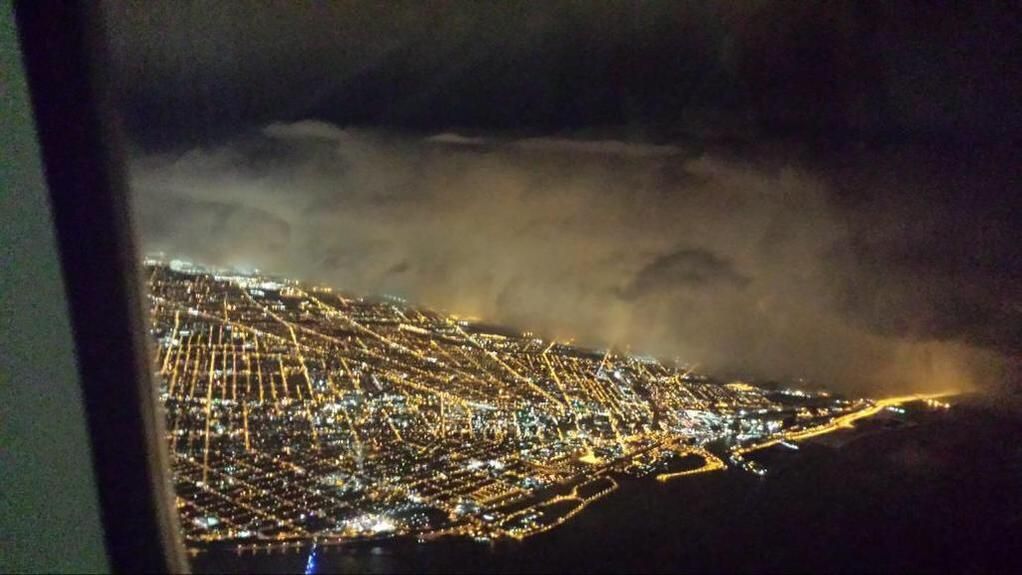
Buffalo During A Blizzard Snow Storm Buffalo Terrifying Pictures

Lake Effect Snow Hammers South Buffalo New York Great Lakes Photos The Weather Channel Articles From The Weather Channel Weather Com Lake Photos Upstate Ny Travel Upstate New York

Lake Effect Snow Buffalo Style New York Storm Snow Lake Aerial Photo

Buffalo Extreme Lake Effect Snow Blizzard In Pictures Strange Sounds Snow Blizzard Blizzard Picture

The Effect Of Lake Effect Lake Snow South Shore

Weather Extremes An Epic Lake Effect Snow Event Started Monday Around The Great Lakes Some Incredible Weather And Climate Outdoor Education The Incredibles

What Is Lake Effect Snow Les Lake Snow Local Events

Lake Effect Snow Buffalo New York Lake Photos Chautauqua County Lake

Lake Effect Snow Arctic Air Lake Water Evaporation
Nw Indiana Lake Effect Snow Lake Snow Outdoor

Posting Komentar untuk "Lake Effect Snow"